























Latest Blogs

Understanding the Role of Dictionaries in Pharmacovigilance
Understanding the Role of Dictionaries in Pharmacovigilance Pharmacovigilance, the science and activities related to the detection, assessment, understanding, and prevention of adverse effects or any other drug-related problems, relies heavily on standardized tools...

ICSR: Individual Case Safety Report
ICSR: Individual Case Safety Report In the field of pharmacovigilance, the Individual Case Safety Report (ICSR) is a cornerstone document that plays a vital role in monitoring drug safety. It serves as a structured report that captures and documents adverse events...
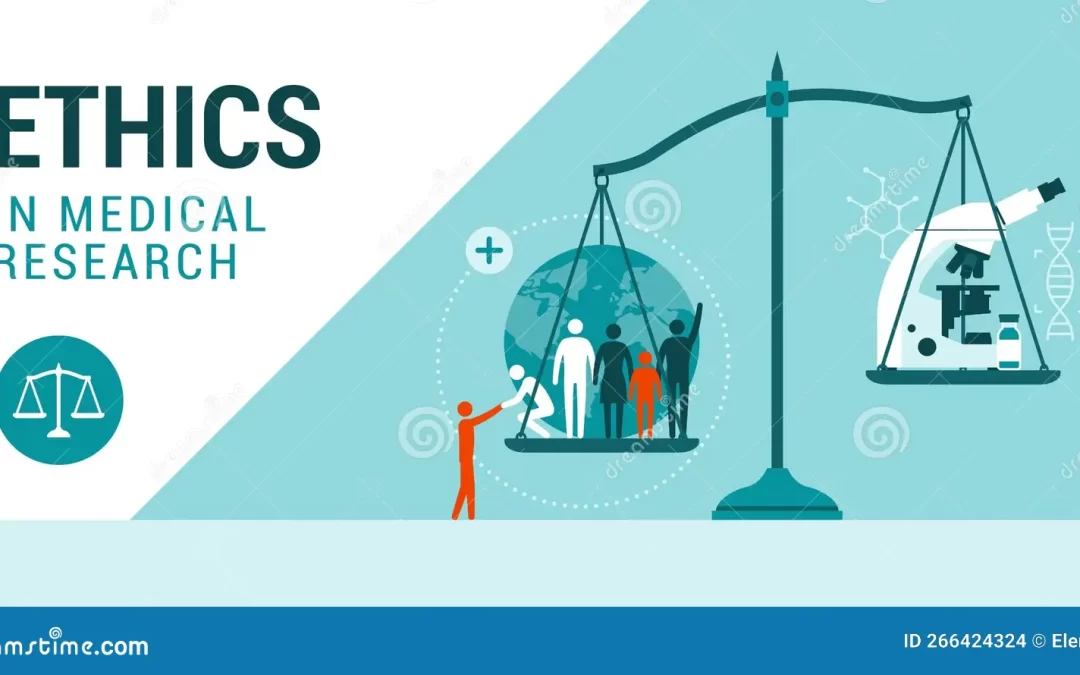
Ethics in Clinical Research: Balancing Science and Humanity
Ethics in Clinical Research: Balancing Science and Humanity Clinical research is the foundation of medical progress, but it must be conducted with the utmost ethical integrity to protect the rights, dignity, and welfare of participants. Balancing the pursuit of...

Understanding the Role of the Principal Investigator in Clinical Research
Understanding the Role of the Principal Investigator in Clinical Research In clinical research, the Principal Investigator (PI) plays a critical role in ensuring the success, integrity, and ethical conduct of a study. The PI is the lead researcher responsible for...

The Importance of Clinical Trials in Advancing Healthcare
The Importance of Clinical Trials in Advancing Healthcare Clinical trials are the cornerstone of medical progress, serving as a bridge between scientific discoveries and effective treatments for patients. These meticulously designed studies are essential for...

The Journey of a Drug: From Lab to Patient
The Journey of a Drug: From Lab to Patient The development of a drug is a long and intricate process that transforms a promising scientific discovery into a life-saving medication. This journey involves years of research, rigorous testing, and regulatory oversight to...
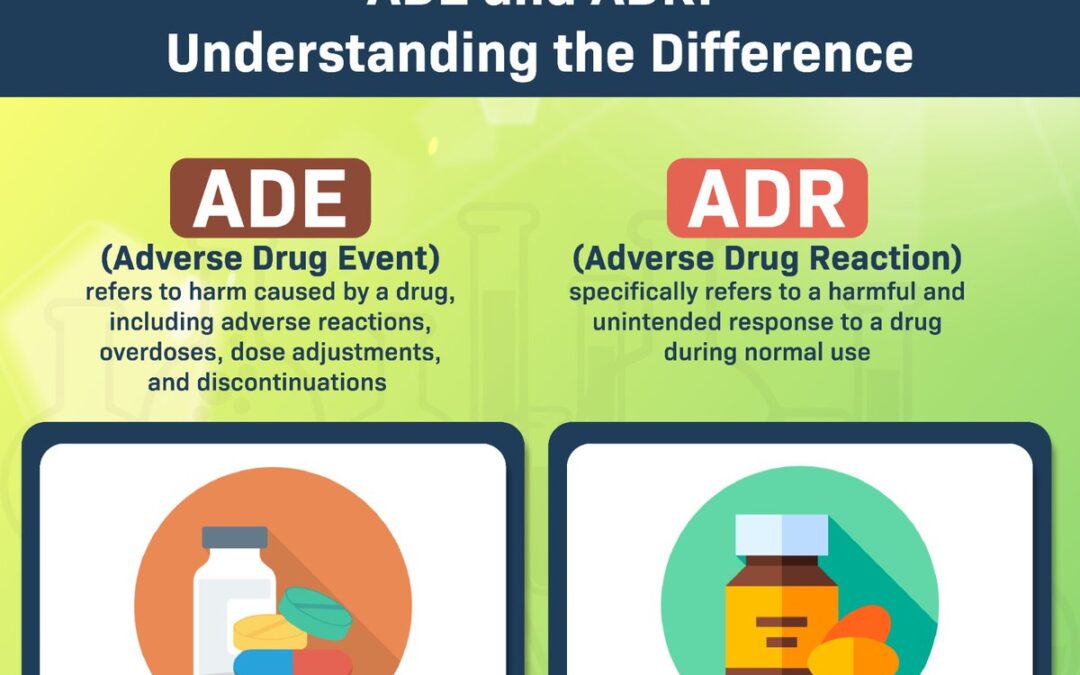
Differences Between ADR (Adverse Drug Reaction) and ADE (Adverse Drug Event)
Differences Between ADR (Adverse Drug Reaction) and ADE (Adverse Drug Event) In pharmacovigilance and clinical practice, understanding the distinction between Adverse Drug Reactions (ADRs) and Adverse Drug Events (ADEs) is essential for patient safety and effective...

Understanding Adverse Drug Reactions (ADRs)
Understanding Adverse Drug Reactions (ADRs) Adverse Drug Reactions (ADRs) are unintended and harmful effects that occur when a medication is administered at normal doses for treatment, diagnosis, or prevention of a condition. Monitoring and managing ADRs is a critical...
Our Categories
Most Viewed

Novo Nordisk Hiring Associate Safety Operations Adviser
Location- Bengaluru Job category Reg Affairs & Safety Pharmacovigilance Qualifications Post graduate MD / MBBS with relevant Pharmacovigilance experience preferable. Documented scientific experience, preferably from the pharmaceutical industry (0 to 1 plus years...

Novartis Hiring Regulatory Affairs Manager; Labeling
Location- Hyderabad Minimum Requirements: Work Experience: Cross Cultural Experience. People Challenges. Functional Breadth. Project Management. Collaborating across boundaries. Apply Now:-...
KV Clinical Research Hiring Clinical research Coordinator
Location- Rishikesh, Uttarakhand Job Role- Clinical Research Coordinator To Apply- Send your CV to hr@kvclinicalresearch.com
Trending Blogs
Novo Nordisk Hiring Associate Safety Operations Adviser
Location- Bengaluru Job category Reg Affairs & Safety Pharmacovigilance Qualifications Post graduate MD / MBBS with relevant Pharmacovigilance experience preferable. Documented scientific experience, preferably from the pharmaceutical industry (0 to 1 plus years...
Novartis Hiring Regulatory Affairs Manager; Labeling
Location- Hyderabad Minimum Requirements: Work Experience: Cross Cultural Experience. People Challenges. Functional Breadth. Project Management. Collaborating across boundaries. Apply Now:-...
KV Clinical Research Hiring Clinical research Coordinator
Location- Rishikesh, Uttarakhand Job Role- Clinical Research Coordinator To Apply- Send your CV to hr@kvclinicalresearch.com